







PadelGuru analysis
Verdict
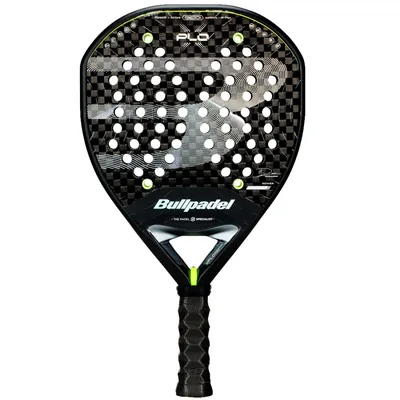
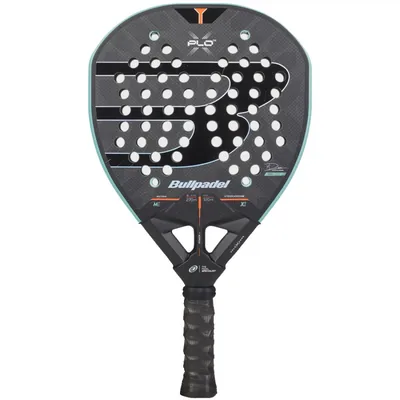
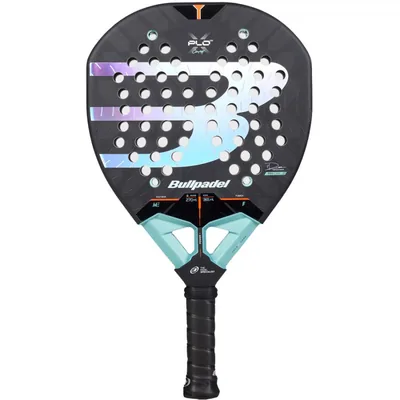
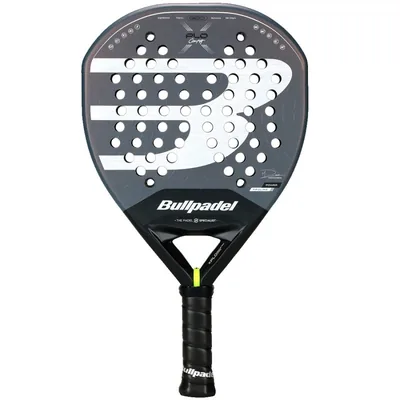
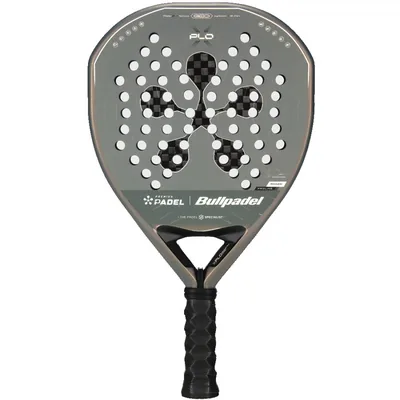
The Bullpadel XPLO 2026, Martín Di Nenno’s racket, is a control racket for players who attack with their own arm. It’s quick in the hand and places the ball accurately when you’re the one raising the pace, but it gives you almost no free power. The depth and speed of every shot come from your swing, not from the racket.
We recommend it for advanced attacking players who would rather control the point than try to win it with one big shot. If you want the ball to come off the back glass on its own, or a smash that finishes the point by itself, other rackets will make that easier.
- Best for
- Advanced attackers with sound technique who want precision when they speed up the rally.
- Not for
- Players who need the racket to supply the power, or who want lots of spin from a face that grips the ball.
Strengths
- Precise when you're the one raising the pace
- Easy to move despite its medium-high weight
- Comfortable and controllable at slow pace
- Smashes deeper than the Neuron 02
Weaknesses
- Little ball exit: you have to accelerate every shot yourself
- The ball slides off the face when you look for spin
- Dry feel in the upper-middle part of the face
- Harder to keep very fast balls under control at the net
01 Baseline: it obeys, but doesn't push
From the back of the court the ball goes where you send it, but it won’t fly off the face on its own. The MultiEVA core and X-Tend Carbon 12K face give a medium feel that returns little energy, so to get a deep ball out of the back glass you have to finish your swing. At a slow pace it’s very comfortable for building the point with well-placed balls.
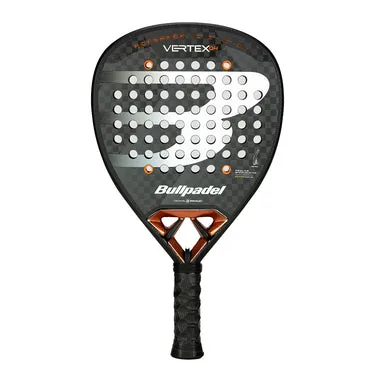
In defence it sits halfway between Bullpadel’s own Neuron and Hack 04.
02 Volley: quick at the net, full swing required
At the net it moves better than its numbers suggest. At 365 to 375 g with a medium-high 265 mm balance you’d expect a slower racket, yet it gets to reaction volleys with ease and stays accurate when you’re the one speeding things up. It struggles more when it has to block: if your opponent attacks you with a very fast ball, keeping it under control isn’t as easy.
The other demand is technique. If you just hold the racket out, the ball dies on the face; to push a volley deep you have to follow through all the way.
03 Smash: longer than the Neuron 02, weak on spin
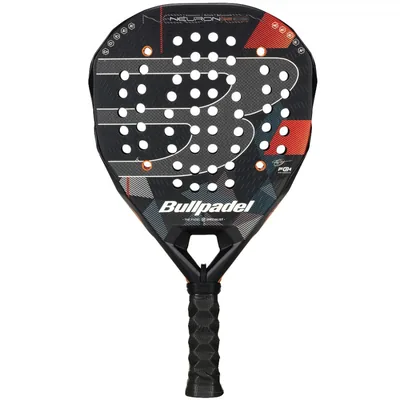
On the smash the ball travels further than with the Neuron 02, though it doesn’t beat the Hack 04 for power.
Spin is its weakest point. The 3D texture is mild, the face has a glossy finish and there are few holes in the centre, so on viboras and sliced bandejas the ball tends to slide rather than bite.
04 Feel: dry above the centre
It’s a medium-stiffness racket with a dry contact and a drum-like response. The upper-middle area of the face, which has no holes, feels the stiffest, and the glossy finish takes away some elasticity. At low speed, on the other hand, it’s comfortable.
Frequently asked questions
- What racket does Martín Di Nenno use?
- Martín Di Nenno plays with Bullpadel's XPLO 2026, a geometric racket built for control that's very easy to handle at the net.
- Is the XPLO 2026 a stiff or soft racket?
- Neither: it sits in the middle for stiffness. What stands out is how dry the hit feels when you strike above the centre, so if you're coming from a soft racket it will feel firmer.
- What's changed from the XPLO 2025?
- It debuts the Easys Vibe anti-vibration system. Rather than softening the racket, it makes it slightly firmer and takes away a little ball exit, pushing it even further towards control.
- How good is the XPLO 2026 for spin?
- Not very, as this is where it falls short. The glossy face and shallow relief let the ball skid on sliced shots, so if the vibora is your go-to shot you'll want a racket with more grip.