
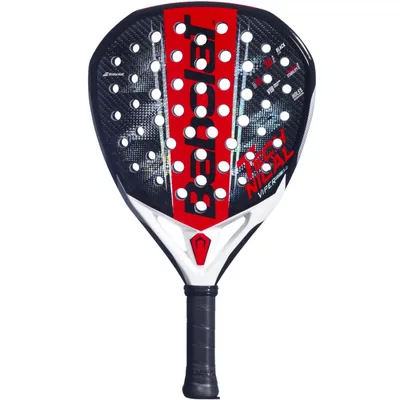







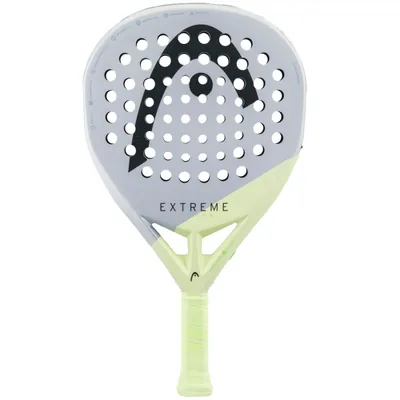
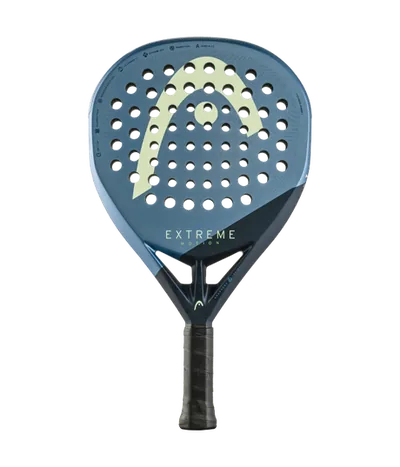
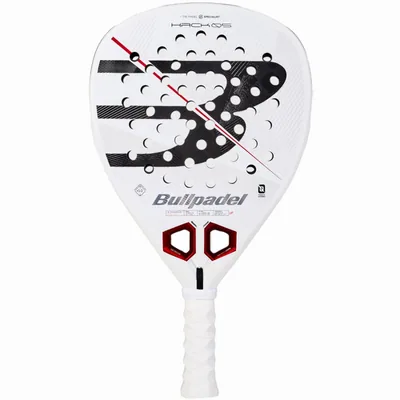
PadelGuru analysis
Verdict
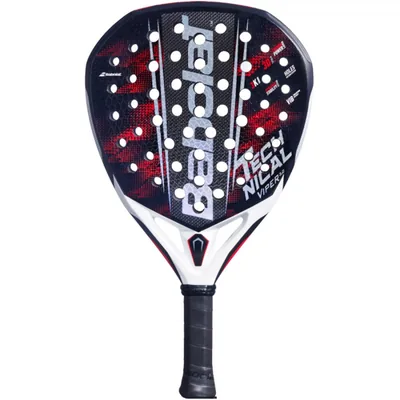
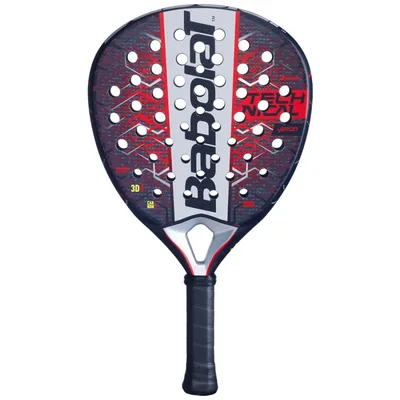
The Babolat Technical Viper Soft 3.0 is the Viper we recommend if you want to attack with nearly all of the family’s punch but need more margin for error and an easier time in defense. It’s a geometric-shaped power racket that’s easier to handle than the Technical Viper 3.0 and punishes mistakes less.
One caveat: the Soft in the name doesn’t make it a soft racket. The feel is medium-hard, closer to hard. If you want a racket that soaks up the impact, the name could mislead you.
- Best for
- Attacking players who want Viper power with more margin for error and easier defense.
- Not for
- Anyone expecting a properly soft feel or chasing the most explosive smash possible.
Strengths
- Lots of power when you accelerate, nearly on par with the Viper
- Easy ball exit on slow shots from the back of the court
- Fine control over ball speed on the volley
- More margin for error than the Technical Viper 3.0
- Quick at the net despite the mid-to-high balance
Weaknesses
- Feel leans hard despite the Soft name
- Slightly less explosive on the smash than the standard Viper
- Standard-size sweet spot: you need to hit it clean
01 Baseline: the ball flies even when you don't force it
The back of the court is where the gap with the Technical Viper 3.0 shows most. The Soft Carbon 3K face flexes a little more and is kinder at impact, so the ball comes off more easily at low speed. When you’re defending off the back glass or throwing up a lob with no time to prepare the swing, you reach the opposite baseline with less effort.
It’s also easier to handle at the back and easier to keep under control in long rallies, which is unusual for a racket with this much power.
02 Volley: ball speed on a dial
At the net its strength is managing ball speed: the volley goes exactly as fast or as slow as you want to play it. It weighs 355 to 375 g with a mid-to-high balance of 267 mm, yet it’s easy to move, and that agility pays off in quick exchanges at the net.
03 Smash: a step below the Viper, still hits hard
The smash is still its best shot. Accelerate your arm and the ball really travels. Next to the Technical Viper 3.0 it gives up a little explosiveness, and the ball comes off with slightly less bounce.
That gap is what decides between the two. If almost all your points go through the smash, the Viper 3.0 gives you that extra. If you spend a lot of time defending and playing control volleys, we think the Viper Soft 3.0 is the smarter pick, because the power it gives up is small.
04 Feel: the Soft is in the face
The Soft refers to the face, not the overall feel. The racket is still medium-hard, nearer hard than soft; what changes is a face that’s a bit more flexible and forgiving at impact. The Black EVA core, with no carbon layer sandwiched in the foam, gives a crisp, direct hit, and with it a good sense of control.
The sweet spot isn’t small and is a touch more generous than the regular Viper’s, though off-center hits get no special help. The surface is 3D textured with a sandy finish.
Frequently asked questions
- Is the Viper Soft 3.0 a hard or soft racket?
- Despite its name, it sits on the firm side of medium-hard. The extra comfort over the Technical Viper 3.0 comes from a more flexible face, not from a soft core.
- What's the difference between the Viper Soft 3.0 and the Viper 3.0?
- The Soft version gets the ball out more easily on slow shots, handles better from the baseline and is more forgiving. The Viper 3.0 has a bit more explosiveness overhead.
- Is the Viper Soft 3.0 more about power or control?
- Power comes first, but it offers more control than the standard Viper. The crisp response makes it easier to judge the ball, especially at the net.
- How much does the Viper Soft 3.0 weigh?
- It comes in at 355 to 375 g, a mid-range weight, balanced at 267 mm toward the head. Even so, it doesn't feel heavy in the hand.