
Babolat Viper Juan Lebron 3.0
- Year
- 2026
- Shape
- diamond
- Weight
- 360–380 g
- Balance
- 27 cm
- Grip
- 13 cm
- Texture
- 3D
- Core
- X EVA
- Surface
- 3K Carbon
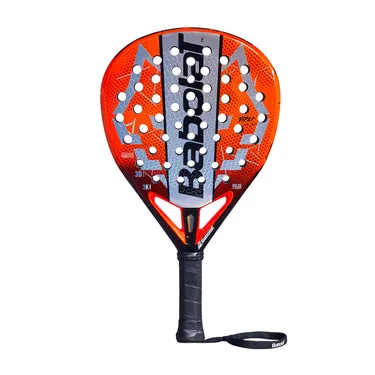
Features
PADELGURUEstimated from reviews
No shop price right now
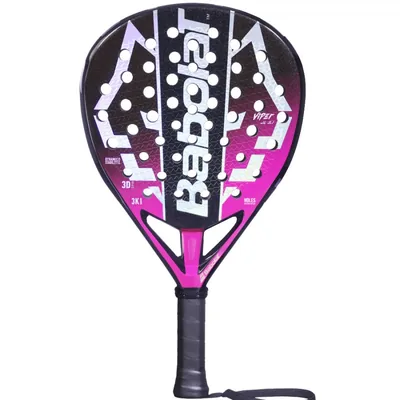
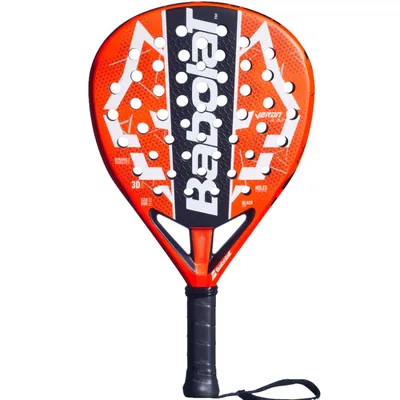
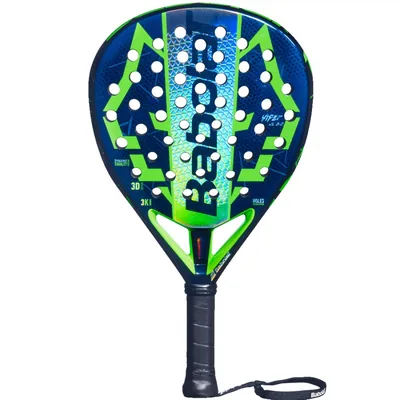
We can’t find this racket on sale in United States right now. These similar alternatives are available:
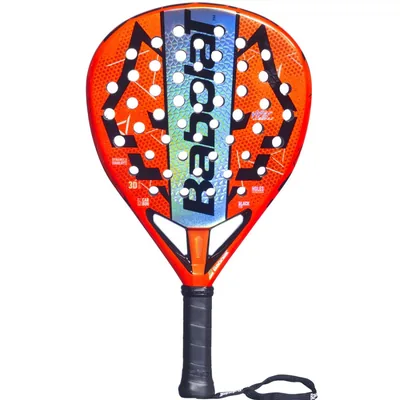
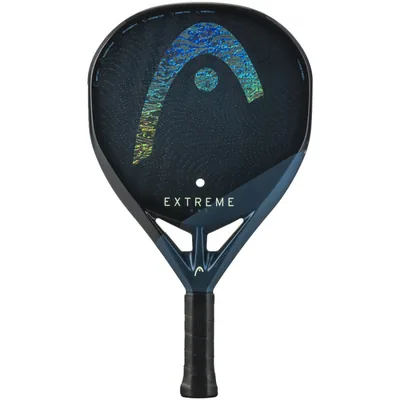
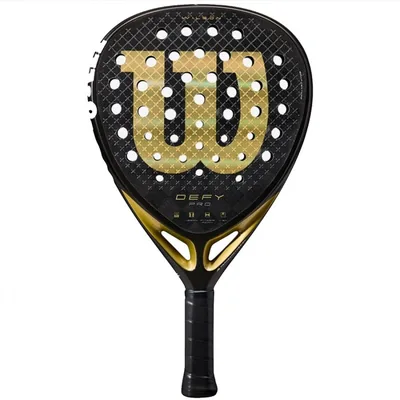
Viper JL 3.0: a pro racket that demands technique and a strong arm
PadelGuru score: 7.2/10
PadelGuru analysis
Verdict
We only recommend the Babolat Viper Juan Lebron 3.0, Juan Lebrón’s racket, to advanced players with solid technique and the fitness to match. It gives you nothing for free: every bit of ball speed comes from your arm. It returns very little on its own, punishes off-centre hits and takes effort to move around, so it rewards players who strike cleanly and can last a whole match with it.
The payoff comes when you connect well: at the net and on the bandeja the ball comes off firm and does exactly what your swing tells it to. It also plays noticeably better in the heat than in the cold.
- Best for
- Advanced players with good technique and a trained arm who mostly play in warm weather.
- Not for
- Anyone who needs the racket to help push the ball deep from the back or wants a forgiving sweet spot.
Strengths
- Block volleys at the net that don't fly off the face
- Bandeja and vibora with weight and depth
- Smash that comes alive in the heat
- Very high-quality mould
Weaknesses
- Very little ball exit, especially when defending
- Small sweet spot sitting high on the face
- Head-heavy and tiring in long matches
- The 3D textured face doesn't grip the ball much
01 Back of the court: your defence, your effort
The baseline is where its lack of help shows most. Defending off the back glass, the ball won’t travel deep unless you push through it with real intent. The X EVA core and 3K Carbon face add almost nothing in terms of ball exit, even less than Babolat’s own Technical Viper when you’re on the back foot.
The head-heavy 270 mm balance doesn’t help either: with the mass out near the tip, the racket is slower to move in defence. And because the sweet spot sits high on the face, anything you don’t catch there loses a lot of pace.
02 Volley: solid blocks, awkward slow balls
The net is where this racket is at its best. On block volleys, since it gives back so little, fast balls don’t get away from you and a small turn of the shoulders is enough to direct them. When you hit the volley in the centre, all the energy of your swing goes into the ball.
Slow balls are the problem. Getting them to move is hard work, and if you try to make up for it by hitting harder, they sail long. You have to measure your swing very carefully, and in long exchanges it wears you out more than a racket that does some of the work for you.
03 Overheads: weighty bandeja, smash that needs racket-head speed
On the bandeja and the vibora it feels very solid at impact. The weight at the tip does much of the work: lengthen the stroke and the ball goes deep and heavy without forcing it, as long as you find the sweet spot. At 360 to 380 g with that balance, keeping that quality up for an entire match takes a well-prepared arm.
The smash is the shot that depends on you most. Power doesn’t come easily; it calls for a lot of acceleration and polished technique. In winter, finishing points overhead becomes a good deal harder.
04 Feel and finish: watch out for the cold
This isn’t a racket for every arm. It pairs weight with a lot of demand, and in winter, when the ball comes off the face even more slowly, that extra effort can end in arm pain. We see it very clearly as a warm-weather racket.
The 3D textured face, with a raised triangle pattern and a glossy finish, is its weakest point: it doesn’t grip the ball enough when you want to add spin. The grip is 13 cm long and may need one or two overgrips to fit your hand.
05 What's new: orange look and a classic wrist cord
Only two things change from the previous version. One is the cosmetics, now in a very eye-catching electric orange. The other is the wrist cord: the interchangeable system is gone and the traditional one is back, at Lebrón’s own request. If you liked being able to swap the cord, that’s a step backwards. Everything that affects play stays the same, so if you already used the previous model you won’t notice any difference on court.
06 Who it pays off for, and when to look at the Soft
We recommend it to advanced players who generate their own power, hit in the centre and have the physical strength to handle a head-heavy racket. If you can’t swing it freely, it turns against you: you arrive late and the ball doesn’t get through.
If you like this mould but need a bit more help, the Viper Soft Juan Lebron 3.0 is the natural alternative. It has more ball exit, and on the smash the gap is small, with a slight edge to the Viper JL 3.0.
Frequently asked questions
- What racket does Juan Lebrón use?
- Juan Lebrón plays with Babolat's Viper JL 3.0. It's a diamond-shaped racket with low ball exit, so you have to swing fast to get the most out of it.
- What level is the Viper JL 3.0 for?
- Advanced to near-professional level. An intermediate player without good racket-head speed will struggle to get depth, and a long match will feel like an uphill battle.
- Viper JL 3.0 or Viper Soft Juan Lebron 3.0?
- The Soft gives you more ball exit and makes defending easier. If you have the technique and the arm, the Viper JL 3.0 smashes slightly better, though the difference overhead is small.
- Does the Viper JL 3.0 play better in hot weather?
- Yes, quite a lot. At around 30 degrees it becomes more responsive, the ball travels faster and the smash turns into a weapon; in the cold it's the opposite, and your arm has to do more work.
- How long does it take to get used to the Viper JL 3.0?
- Expect two to three weeks before it feels comfortable. In the first few sessions the low ball exit and the weight in the head are very noticeable.